Quick Answer: Scar tissue is a normal part of healing after rhinoplasty and usually softens over time. I tell my patients that following post-operative instructions, avoiding nicotine and pressure on the nose, protecting the skin from the sun, and keeping follow-up visits can help minimize excessive scarring. If thicker scar tissue develops, treatments such as massage, corticosteroid injections, or revision surgery may help.
As a facial plastic surgeon, I often explain to patients that Scar Tissue After Rhinoplasty is a normal part of the healing process, but the way that tissue develops can influence swelling, nasal definition, and the final result. Most patients heal without significant issues, although in some cases, excess internal scar tissue can create firmness, fullness, or subtle changes in the shape of the nose.
Understanding how scar tissue forms is especially important whether you are considering your first rhinoplasty or a revision procedure. Knowing what to expect during recovery, following the proper post-operative care, and addressing abnormal scar formation early can help support smoother healing and a more refined, long-lasting result.
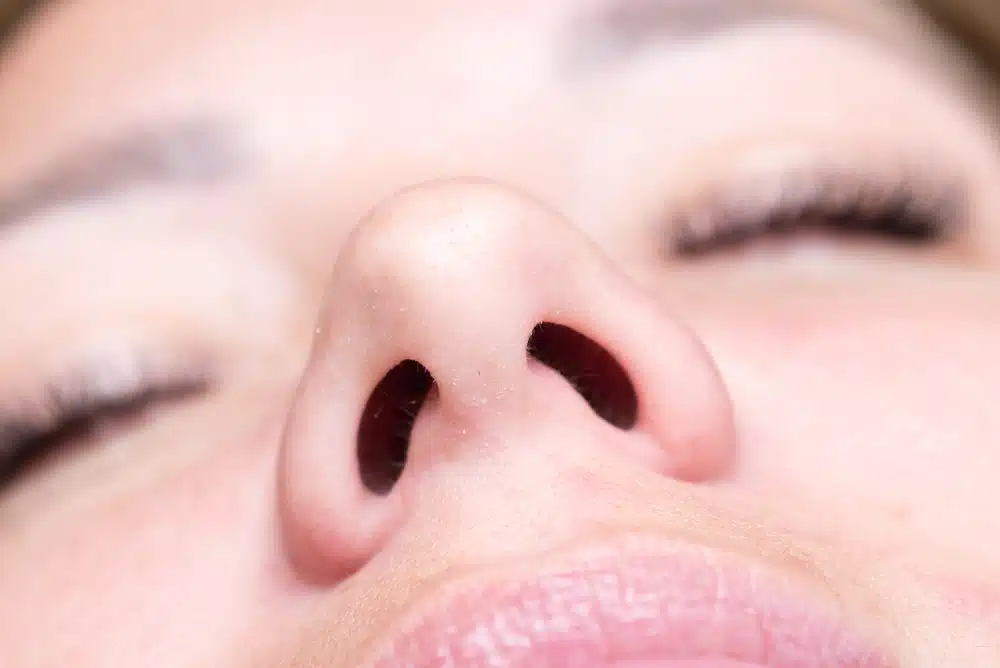
Key Takeaways About Scar Tissue After Rhinoplasty
- Persistent scar tissue can often be treated with observation, corticosteroid injections, or, in more significant cases, revision surgery.
- Some scar tissue is normal and forms naturally as the nose heals after rhinoplasty.
- Excess scar tissue may cause firmness, fullness, bumps, or reduced nasal definition if it becomes thick or persistent.
- Internal and external scars are different: internal scar tissue forms beneath the skin, while external scarring is usually limited to the small columellar incision used in open rhinoplasty.
- Careful post-operative care can help minimize scarring, including avoiding nicotine, protecting the nose from sun exposure, and following surgeon-directed massage instructions.
Internal vs. External Scar Tissue After Rhinoplasty
I explain to patients that scar tissue after rhinoplasty can develop either beneath the skin or at the incision site. The two types differ in how they appear, how they are detected, and how they are managed.
| Internal Scar Tissue | External Scar Tissue | |
|---|---|---|
| Where it forms | Beneath the skin and around the tissues that were reshaped during surgery | At the external incision, most commonly across the columella with open rhinoplasty |
| What it looks like | May create fullness, firmness, thickening, or reduced nasal definition | Usually appears as a small line at the base of the nose |
| Is it visible? | Often not directly visible | Yes, although it typically becomes less noticeable as it heals |
| How it feels | May feel firm, hard, or slightly raised beneath the skin | May initially feel firm or slightly raised before softening |
| Typical management | Observation, surgeon-directed massage, or corticosteroid injections when appropriate | Proper incision care, sun protection, and scar treatments recommended by the surgeon |
| Long-term outlook | Usually softens and becomes less noticeable as healing progresses | The columellar scar typically fades and becomes difficult to see over time |
In most patients, both internal and external scar tissue improve as the nose heals. I monitor these areas during follow-up visits so that any excessive or abnormal scar formation can be addressed early.
What Causes Excessive Scar Tissue Formation After a Nose Job?
In my experience, some degree of scar tissue is expected after rhinoplasty because it is part of the body’s normal healing response. The concern is when scar tissue becomes excessive, thick, or persistent enough to affect the shape or definition of the nose.
Several factors can contribute to excessive scar tissue formation:
- Individual healing response: Some patients naturally produce more scar tissue than others because of genetics and the way their body responds to surgery.
- Extent of surgical work: More complex rhinoplasty procedures, including revision surgery, may involve greater tissue manipulation and can lead to a stronger healing response.
- Prolonged inflammation or swelling: Persistent inflammation can encourage additional scar tissue formation beneath the skin.
- Infection or healing complications: Although uncommon, infection or delayed healing can increase inflammation and contribute to abnormal scar development.
- Skin thickness: Patients with thicker nasal skin may be more prone to developing internal scar tissue that can temporarily obscure definition.
- Post-operative care: Pressure, trauma, or not following recovery instructions can interfere with proper healing and may contribute to unwanted scar tissue.
When I monitor a patient after rhinoplasty, I pay close attention to how the swelling and tissues are evolving. If I notice excessive scar formation, early treatment may help control it and preserve the intended shape of the nose.
What Does Scar Tissue in the Nose Look Like?
Scar tissue inside the nose is not always visible, but I may notice it during an examination as an area of thickened or firm tissue. Patients may also notice:
- Firmness or hardness under the skin
- Persistent swelling in one area
- Small bumps or uneven contours
- Reduced definition of the nasal tip or bridge
- Asymmetry that does not improve as swelling decreases
In many cases, these changes soften gradually as healing progresses. If scar tissue remains thick or begins to affect the shape or function of the nose, I may recommend treatment.
Does Scar Tissue After a Rhinoplasty Procedure Go Away?
For most rhinoplasty patients, scar tissue gradually softens and becomes less noticeable over time thanks to the body’s natural healing process. Internal scar tissue, which forms beneath the surface, often stabilizes within 12 to 18 months post-surgery. While some mild thickening or firmness can persist, it typically doesn’t affect the overall appearance or function of the nose.
Visible scars are rare with closed rhinoplasty, but for open rhinoplasty, a small external incision at the base of the nose may leave a faint scar. With proper care and monitoring, these scars usually fade significantly and become nearly imperceptible. Visible columellar scars generally become less noticeable with time. In one study on columellar scar perception after open rhinoplasty, only 12 of 91 patients reported being aware of their scar.
Possible Post-Rhinoplasty Healing and Scar Tissue Complications
During follow-up after rhinoplasty, I expect some swelling, firmness, and internal scar formation as part of normal healing. However, when scar tissue becomes excessive or healing does not progress as expected, it can sometimes affect both the appearance and function of the nose.
Potential complications I monitor for include:
- Persistent firmness or thickening: Excess internal scar tissue can make certain areas of the nose feel hard or unusually full.
- Irregular contours: Scar tissue may create visible or palpable unevenness beneath the skin.
- Asymmetry: Uneven healing can occasionally make one side of the nose appear different from the other.
- Reduced nasal definition: In some patients, scar tissue and prolonged swelling can temporarily obscure the refined contours created during surgery.
- Breathing changes: If internal scarring affects the nasal airway, it may contribute to congestion or difficulty breathing.
- Delayed healing: Trauma, infection, or poor post-operative care can prolong inflammation and increase the risk of abnormal scar formation.
- Challenges after revision rhinoplasty: Revision procedures require particular care because the nasal tissues have already undergone surgery and may contain existing scar tissue.
I monitor these changes closely throughout recovery because early recognition is important. When necessary, treatments can often be used to control excessive scar tissue and help protect both the functional and aesthetic outcome of the rhinoplasty.
How to Prevent Scar Tissue After Rhinoplasty Surgery
- Preventing scar tissue after rhinoplasty starts with attentive post-operative care. While some scar formation is a normal part of healing, following the right precautions can help minimize excessive scarring and support a smoother recovery.
- Work with an experienced rhinoplasty surgeon: Surgical technique plays an important role in minimizing unnecessary tissue trauma and scar formation. An experienced, board-certified facial plastic surgeon can also monitor healing closely and intervene if excessive scar tissue begins to develop.
- Gentle scar massage: Gentle massage may help soften scar tissue and improve tissue flexibility, but it should only be started when your surgeon says it is safe. I give patients specific instructions on when and how to massage the nose so they do not place unnecessary pressure on healing tissues.
- Avoid sun exposure: UV exposure can cause healing scars to darken and become more noticeable. I recommend protecting the nose from direct sunlight and using broad-spectrum sunscreen once it is safe to apply it.
- Maintain a healthy diet: A balanced diet with adequate protein, vitamins, minerals, and hydration supports the body’s normal wound-healing process. Good nutrition helps provide the resources your body needs as the nasal tissues recover.
- Avoid nicotine and alcohol: Nicotine restricts blood flow and can interfere with proper wound healing. Alcohol may also contribute to dehydration and recovery complications. I advise patients to follow their specific pre- and post-operative restrictions carefully.
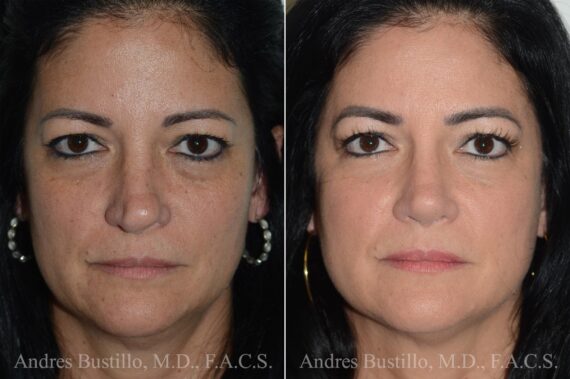
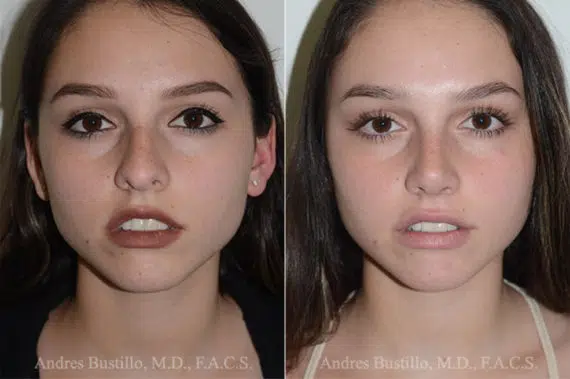
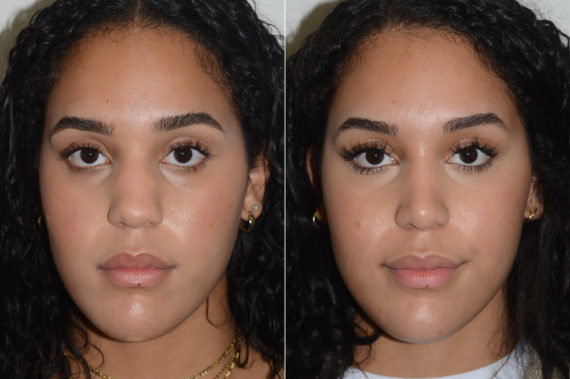
Rhinoplasty Scar Tissue Management and Post-Operative Care
Effective scar management after rhinoplasty requires a combination of patience, consistency, and the right treatment strategy. While many cases improve naturally, others may need non-surgical approaches or even corrective surgery to achieve a satisfying aesthetic outcome. The good news is that with proper guidance, most patients can significantly improve the look and feel of their nose as it heals.
The following options provide a range of tools for managing scar tissue and supporting recovery at different stages of the healing journey.
Standard Wound Care
Keeping the incision site clean and properly moisturized is crucial to preventing infection and minimizing scar formation. Patients should follow their surgeon’s cleaning instructions carefully, which may include using mild solutions like hydrogen peroxide to gently cleanse the area.
Applying an approved antibiotic ointment can also support healing and reduce the risk of complications. Equally important is to avoid picking at any scabs or dry skin, as this can disrupt the healing process and lead to more pronounced scarring. Consistent care helps set the foundation for a smoother recovery.
Topical Treatments
Topical treatments can be a helpful addition to your scar care routine, especially when used early in the healing process. Products containing silicone gels or sheets are widely recommended for their ability to hydrate the scar and form a protective barrier, which may soften and flatten raised tissue over time.
Other ingredients like vitamin E or onion extract may also provide benefits, though results can vary. Always consult with your surgeon before beginning any new treatment to ensure it’s appropriate for your skin and stage of recovery.
Non-Surgical Techniques
For patients who develop moderate internal scar tissue, non-surgical techniques can offer effective relief without the need for additional surgery. Corticosteroid injections are often used to soften and flatten thickened scar tissue, particularly in cases where hypertrophic scarring has formed.
Laser therapy is another valuable tool, helping to smooth surface irregularities and improve skin tone by targeting scarred areas with precision. These treatments are typically performed in-office and may require multiple sessions, but they can significantly enhance both comfort and appearance when applied at the right time during recovery.
Revision Rhinoplasty
In cases where scar tissue significantly alters the nasal structure or affects breathing, revision surgery may be necessary to restore both function and appearance. A second rhinoplasty, often more complex than the primary rhinoplasty, aims to correct issues such as asymmetry, contour irregularities, or persistent thickening caused by previous healing complications.
Because scar tissue can complicate surgical planning, it’s crucial to work with a specialist experienced in challenging nasal cases. A carefully executed revision can dramatically improve the final outcome and restore confidence in your appearance.
Questions about your procedure?
Schedule a consultation with Dr. Andres Bustillo.
Consult With a Rhinoplasty Expert Today
Choosing an experienced facial plastic surgeon is essential when it comes to rhinoplasty and post-operative scar care. Scar tissue is a natural part of healing, but when excessive or poorly managed, it can affect both function and appearance. A skilled surgeon not only performs the cosmetic surgery procedure but also guides patients through scar reduction and long-term aftercare. That’s why trusting someone with extensive experience in facial plastic surgery and reconstructive surgery is key to achieving optimal results.
Dr. Andres Bustillo brings over two decades of expertise in facial plastic surgery, offering patients exceptional care before, during, and after rhinoplasty. A Top Doctor in Miami, Dr. Bustillo completed one of the most prestigious fellowships in the world at the NYU-Weill Cornell Medical College program, training under Manhattan’s leading plastic surgery experts. Ready to feel confident about your nose again? Call us at 305-663-3380 or visit our contact page to schedule a consultation.
Frequently Asked Questions About Scar Tissue After Rhinoplasty
Scar tissue most often develops around areas where nasal tissues were reshaped, including the tip, supratip, internal incisions, and previously operated areas in revision rhinoplasty.
I recommend contacting your surgeon if you notice increasing firmness, persistent lumps, worsening asymmetry, unusual redness, drainage, pain, or changes that are not gradually improving.
Yes. Scar tissue can reform after treatment or revision surgery because every surgical procedure triggers another healing response. Careful technique and close follow-up can help reduce this risk.
I evaluate the location, firmness, skin thickness, surgical history, and how the area has changed over time. Depending on the findings, treatment may include observation, surgeon-directed massage, corticosteroid injections, or revision surgery in more significant cases.
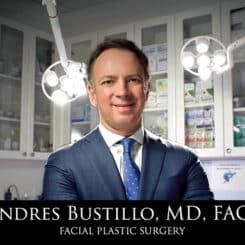
ABOUT THE AUTHOR
DR. ANDRES BUSTILLO, MD, FACS
Dr. Andres Bustillo is a board-certified facial plastic surgeon in Miami with more than 20 years of experience in facial plastic and reconstructive surgery. Recognized as one of Miami’s top surgeons, he combines artistic vision with surgical precision to deliver natural, refined results.
Dr. Bustillo’s Credentials Include:
- Board-Certified — Facial Plastic Surgeon
- M.D. — University of Miami Miller School of Medicine
- Residency Training — University of Miami–Jackson Memorial Hospital
- Advanced Fellowship — NYU–Weill Cornell Medical College
- FACS — Fellow, American College of Surgeons
Expertise Areas:
Facial Plastic Surgery, Reconstructive Surgery, Aesthetic Facial Surgery, Rhinoplasty.